
Menta Romana: Is It Pennyroyal — and Is It Safe to Eat?
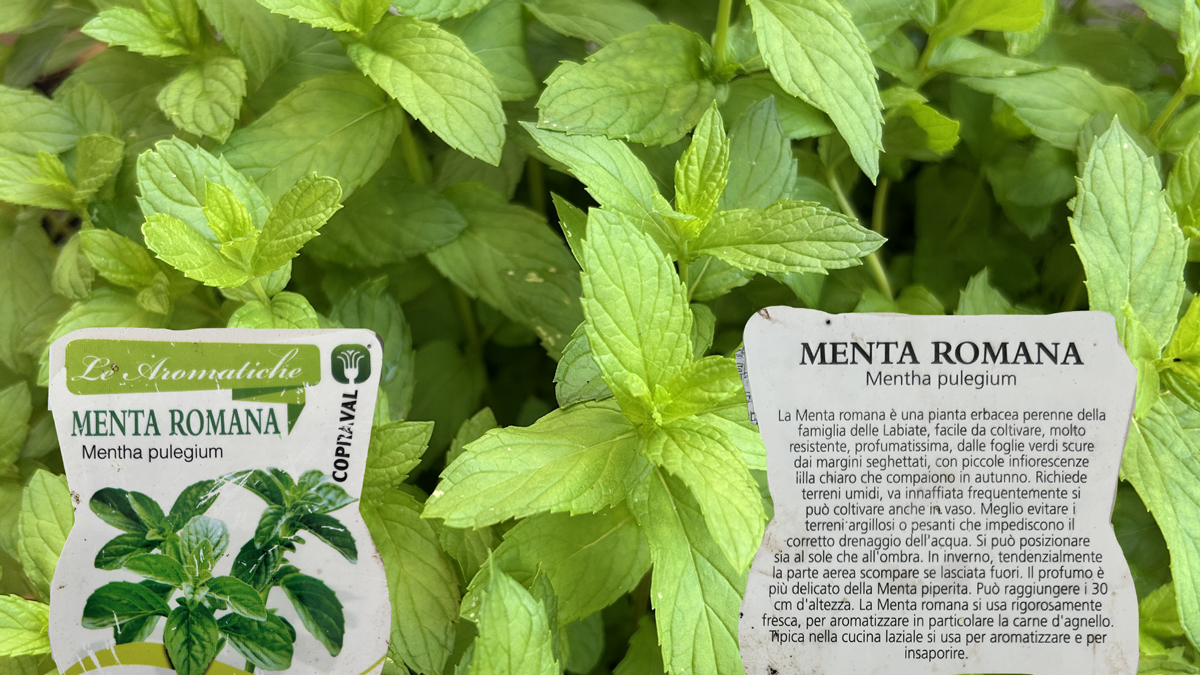
If you’ve bought a pot labelled menta romana, the honest truth is you can’t be sure what you’ve got from the name alone. “Menta romana” is used for more than one plant:
- Most often it’s plain spearmint (Mentha spicata) — a normal culinary mint, safe to use freely.
- Sometimes it’s pennyroyal (Mentha pulegium) — a mint that needs real caution in the kitchen.
- And it’s loosely tangled up with mentuccia (Calamintha nepeta), a different herb again.
So the key question isn’t “how do I cook with menta romana” — it’s “which plant have I actually got?” Because if it’s pennyroyal, you should not treat it as an everyday cooking herb: its concentrated oil is toxic, and it must be avoided in pregnancy and kept away from children and pets.
This guide shows you how to tell the three apart, and exactly how to use each one safely. It’s general gardening and educational information, not medical advice — if you have a health concern, or a child or pet eats some and seems unwell, speak to a doctor or vet.
Why I wrote this (and why the label fooled me)
I picked up a healthy little pot here in Italy, labelled simply MENTA ROMANA, and assumed — as most people would — that it was ordinary spearmint. Then I turned the card over and read the botanical name in small print: Mentha pulegium. That’s pennyroyal, not spearmint at all. And to muddy it further, the back of the card listed classic Roman recipes that are traditionally made with yet another herb.
A note on where I’m writing from: I’m living in Rome, so menta romana is a local affair for me — these are the Roman names and Roman dishes this mint gets tangled up in, which is exactly why I wanted to untangle it properly from the source.
When I crushed a leaf, the smell was minty but noticeably softer than the punchy spearmint I’d expected. At first I took that as a point for pennyroyal, whose scent is gentler than peppermint. But the more I looked at the actual plant, the less the label held up: mine is tall and upright, with long, pointed, clearly toothed leaves — the very picture of an ordinary spearmint, and nothing like the low, creeping, small-leaved pennyroyal the tag claims. In other words, the label and the plant don’t agree.
So here’s where I’ve honestly landed: I’m not eating it yet. The card says pennyroyal, the plant looks like spearmint, and a soft smell alone can’t settle a safety question. I’m letting it flower — the one test that will give me a definitive answer (more on that below) — and until then I’m treating it as a lovely pot plant, not a kitchen herb. That’s the whole lesson of this article in one pot: the names, the looks, the smell and even the printed Latin all overlap and contradict each other, so you settle it with the plant, not the sticker. Here’s how to do exactly that.
Why “menta romana” is so confusing
Mint is a botanist’s nightmare. The genus Mentha has somewhere between 18 and 24 accepted species, but they hybridise so freely — and have been bred and renamed so many times — that thousands of names have been published over the years, most now treated as duplicates. Seed-grown plants come up variable, so the same common name can sit on quite different plants.
Layer regional common names on top of that, and “menta romana” becomes a perfect storm:
- In everyday Italian, most people use it for plain spearmint (also called mentastro or menta verde).
- Some nurseries label it as pennyroyal (Mentha pulegium) — as my pot was.
- And the Roman recipes linked to the name (carciofi alla romana, lamb, trippa alla romana) are traditionally made with mentuccia (Calamintha nepeta), a separate plant.
Then there’s commercial reality: plant tags are printed cheaply in bulk, the front photo is often a generic mint stock image, and whoever potted the plant may not be a botanist. The result is that the name, the picture, the recipe list and the actual plant don’t always agree. You genuinely cannot assume the label is right — which is exactly why learning to identify mint yourself is worth a few minutes.
Mint naming gets confusing fast — “menta romana” isn’t the only mint with an identity problem. Mojito mint has the same issue, often mixed up with plain spearmint, so I’ve written a separate guide to help you tell them apart.
The plants sold as “menta romana”
Spearmint — Mentha spicata The everyday culinary mint, and what “menta romana” most often means. Upright and bushy, with long, pointed, clearly toothed bright-green leaves and a clean, sweet, classic mint smell. The mint for sauce, tea, tabbouleh, peas and mojitos. Easy, vigorous, completely safe to use freely. If you just want a mint to cook with, this is the one.
Pennyroyal — Mentha pulegium A true mint, native to Europe, North Africa and the Middle East, whose crushed leaves smell strongly (if a touch sharper and more delicate) of spearmint — which is precisely why it gets confused with it. Lower-growing and smaller-leaved than spearmint, with lilac flower whorls up the stem. It has a long folk history as a flavouring and traditional remedy, but it must be used with real care (see the safety section). This is what my pot was labelled as.
Mentuccia romana — Calamintha nepeta Not a true Mentha at all, but a close relative. Low and mounding, with small, slightly fuzzy leaves and a scent between mint and oregano. This is the herb that genuinely belongs in those Roman dishes. A normal culinary herb.
You’ll occasionally see peppermint (Mentha × piperita) sold under loose “mint” names too — much stronger and more menthol-heavy, best for tea and sweets.
How to identify the mint you’ve actually got
Don’t rely on the printed name. Use the plant.
1. Smell a crushed leaf — your single best tool.
- Clean, sweet, instantly recognisable “mint” → most likely spearmint.
- Sharp, strong, slightly more pungent but still spearmint-ish → could be pennyroyal.
- Cool, fierce, menthol “toothpaste” hit → peppermint.
- Mint-meets-oregano, herby and savoury → mentuccia.
- Milder than expected (like mine)? Not conclusive — a young or shade-grown plant can smell gentler, so use the other clues too.
2. Look at the leaves.
- Long, pointed, clearly toothed → spearmint.
- Small, narrow-oval, only lightly toothed → pennyroyal.
- Small, rounded, slightly fuzzy → mentuccia.
3. Look at the growth habit.
- Upright and bushy → spearmint/peppermint.
- Low, creeping or sprawling, smaller overall → pennyroyal or mentuccia.
4. Check the stem. All true mints have a square stem — roll it between your fingers and you’ll feel four edges. That confirms the mint family, even if it doesn’t pin the species.
5. Read the botanical name — but treat it as a clue, not proof. If the small print gives a Latin name (Mentha spicata, Mentha pulegium or Calamintha nepeta), that’s more reliable than the common name “menta romana” — but it’s still only as trustworthy as the grower who printed it, and cheap nursery tags get it wrong surprisingly often. My own pot is a perfect example: it’s labelled Mentha pulegium (pennyroyal), yet the plant is tall and upright with long, pointed, clearly toothed leaves — far more like spearmint than the low, creeping, small-leaved pennyroyal the label claims. So the label is evidence, not a verdict. When the tag and the plant disagree, let the plant settle it — and the single surest way to do that is to wait for it to flower.
6. Wait for the flowers — this is the decider. When mint blooms it gives itself away, so don’t snip off every flowering stem before you’ve had a proper look. This is the most reliable test of the lot:
- Spearmint and peppermint flower in slender, tapering spikes at the very tips of the stems.
- Pennyroyal flowers in dense, rounded whorls clustered around the stem at the leaf joints, spaced in little pompoms up the stem — never a single tip-spike. Once you see those whorls, it’s unmistakable.
- Mentuccia carries loose, open sprays of small pale-lilac flowers.
If you only do one thing from this list, do this one — the flowering pattern separates the upright culinary mints from pennyroyal more clearly than smell, leaves or label ever will.
| Clue | Spearmint (M. spicata) | Pennyroyal (M. pulegium) | Mentuccia (Calamintha nepeta) |
|---|---|---|---|
| Habit | Upright, bushy | Lower, creeping to semi-upright; smaller | Low, mounding |
| Leaves | Long, pointed, clearly toothed | Small, narrow-oval, lightly toothed | Small, rounded, slightly fuzzy |
| Smell | Clean, sweet “classic mint” | Spearmint-like but sharper | Mint-meets-oregano |
| Flowers (the decider) | Spikes at the stem tips | Whorls clustered up the stem | Loose pale lilac sprays |
| Kitchen role | All-purpose mint | Use sparingly; caution needed | Roman dishes, lamb, artichokes |
| Safe to use freely? | Yes | No — see below | Yes |
The honest bottom line on identification — and please don’t skip this. A label is a claim, not a guarantee, and even the printed Latin name can be wrong. Your plant’s own smell, leaves, growth habit and — above all — its flowers are the real evidence. Until you’ve confirmed it’s a safe culinary mint (ideally by both smell and flower shape), treat it as the cautious option and don’t eat it. You lose nothing by waiting a few weeks for it to bloom; you’d risk a great deal by guessing wrong with a plant that might be pennyroyal. If you’re still unsure once it flowers, photograph the leaves, stem and flowers and ask a local nursery or a knowledgeable gardening group (mine included) — and describe the smell, the clue people most often leave out.
Is it safe to eat? The honest answer
This depends entirely on which plant you have.
If it’s spearmint, peppermint or mentuccia: yes — all ordinary culinary herbs, safe in normal cooking amounts. Enjoy them freely.
If it’s pennyroyal (Mentha pulegium), use real caution. Here’s the honest picture, plainly — not to frighten you off a pretty plant, but so you use it sensibly.
The leaves and the oil are worlds apart. Pennyroyal leaves, used fresh in small traditional amounts, have been consumed for centuries and, in those modest quantities, have a history of use without serious harm. The danger is concentration. The plant’s active compound, pulegone, makes up the great majority of its essential oil — and the body converts pulegone into a by-product that damages the liver and nervous system in large enough amounts.
The essential oil is the real hazard. Pennyroyal oil is highly toxic. Even small quantities have caused severe poisoning — seizures, liver injury, kidney failure and worse — and there are recorded deaths. Never swallow pennyroyal oil, never give it to anyone, and don’t put it on skin. Treat any concentrated extract as dangerous, full stop.
Pregnancy and breastfeeding: avoid completely. Pennyroyal has a long, real reputation as an agent to bring on menstruation and induce miscarriage, and concentrated forms can genuinely do that. If you are pregnant, might be, or are breastfeeding, do not consume pennyroyal in any form.
Children and pets. Keep pennyroyal and anything made from it away from young children. It’s also considered toxic to cats and dogs, so site the pot out of a curious pet’s reach. If a child or animal eats a quantity and seems unwell, contact a doctor or vet without delay.
Existing health conditions. Anyone with liver or kidney problems should avoid it.
What I won’t do here. I’m not going to give pennyroyal tea recipes, doses or “medicinal” instructions — that crosses into health advice this site doesn’t offer, and with this plant the stakes are too high to be casual about it. If you’re drawn to pennyroyal for a health reason, please talk to a qualified herbalist or doctor rather than experimenting.
The safe way to enjoy your menta romana
Knowing all that, you can still get real pleasure from this plant:
- Grow it as a fragrant, ornamental pot herb. Pennyroyal is pretty, smells lovely when you brush past, and has a traditional reputation as an insect-repellent plant (one of its old names is “mosquito plant”). That alone earns it a spot by the door.
- Keep cooking separate. Want mint for the kitchen? Grow a pot of spearmint alongside and use that. Label your pots clearly so nobody mixes them up.
- Mind who you share it with. If you pass on plants or cuttings, tell people it’s pennyroyal and pass on the cautions — most assume any “mint” is harmless.
That way you get the lovely plant without the risk.
Growing it (the short version)
Whichever mint you’ve got, the care is the same and it’s easy: a roomy pot with drainage, free-draining compost, a bright spot in sun to partial shade, and soil kept lightly moist but never waterlogged. Pinch out the growing tips to keep it bushy, and it’ll thrive for years. Mint also spreads aggressively, so a pot is the right home for it.
For the full method — potting, watering, feeding, harvesting, propagating from cuttings, overwintering and troubleshooting — see my complete guide, How to Grow Mint in Pots.
(If your plant is pennyroyal, I’d skip the usual “give cuttings to everyone” enthusiasm — propagate it if you like it, but always say what it is.)
The bottom line
“Menta romana” is a name, not a guarantee — it can be spearmint, pennyroyal or mentuccia, and the label won’t always tell you straight. So smell and study the plant, trust the botanical name, and if it’s Mentha pulegium (pennyroyal), use it with care: never the oil, never in pregnancy, and away from children and pets. When you simply want a mint to cook with freely, grow spearmint.
Over to you: turn your own pot’s label over and tell me in the comments what it says under “menta romana” — I’m genuinely curious how the split falls between spearmint and pennyroyal, because the labelling really is all over the place. And if you can’t pin down a mint you’ve bought, describe the smell, leaves and stem and I’ll help you work it out before you cook with it.
Keep growing (links to other interesting stuff)
- How to Grow Mint in Pots: The Complete Beginner’s Guide — the full growing method (the pillar this page supports).
- Start your Herb Garden with Spearmint — the easy, eat-it-freely culinary mint to grow instead.
- Growing Basil hub — another safe, beginner-friendly herb.
- Best potting mix / soil for herbs — supports the growing section.
- “Menta Bergamotto” Isn’t Actually Mint — another case where the tag and the plant told two different stories.
FAQ
Is menta romana the same as pennyroyal? Sometimes. Some Italian growers label “menta romana” as Mentha pulegium, which is pennyroyal. But the same name is also used for spearmint (Mentha spicata) and, loosely, mentuccia (Calamintha nepeta). Always check the botanical name on the label.
Is menta romana the same as spearmint? Often, yes — in everyday Italian “menta romana” usually means spearmint. But not always: some pots labelled menta romana are actually pennyroyal, so check the small print before cooking with it.
Is pennyroyal safe to eat? Use caution. The fresh leaves have a traditional history in small amounts, but pennyroyal’s concentrated oil is toxic to the liver and nervous system, it must be avoided in pregnancy and breastfeeding, and it should be kept from children and pets. Never use the oil internally. This is general information, not medical advice — if unsure, grow spearmint instead.
Is pennyroyal poisonous? Pennyroyal essential oil is highly toxic and has caused serious poisoning and deaths even in small amounts; never take it internally or apply it to skin. The fresh leaves in small traditional amounts are far less concentrated, but pennyroyal is still avoided in pregnancy and around children and pets.
Is pennyroyal safe during pregnancy? No. Pennyroyal is traditionally associated with inducing miscarriage and should be avoided entirely during pregnancy and breastfeeding, in any form.
Is pennyroyal toxic to dogs and cats? It’s considered toxic to cats and dogs, so keep the pot out of reach. If a pet eats some and seems unwell, contact your vet.
How do I tell spearmint from pennyroyal? Spearmint is upright with long, pointed, sweet-smelling leaves. Pennyroyal is lower and smaller-leaved with a sharper smell. The surest guide is the botanical name on the label — and if it says Mentha pulegium, treat it as pennyroyal.
Can I still grow menta romana if it’s pennyroyal? Yes — it’s an easy, pretty, fragrant pot plant. Grow it for its scent and flowers, follow the safety cautions, and grow spearmint separately for the kitchen.
Leave a Reply
Want to join the discussion?Feel free to contribute!